
- Precision Care for a Stronger Spine
- +91-8448479865
+91-8448479865
drprankulsneuro@gmail.com
Trigeminal Neuralgia
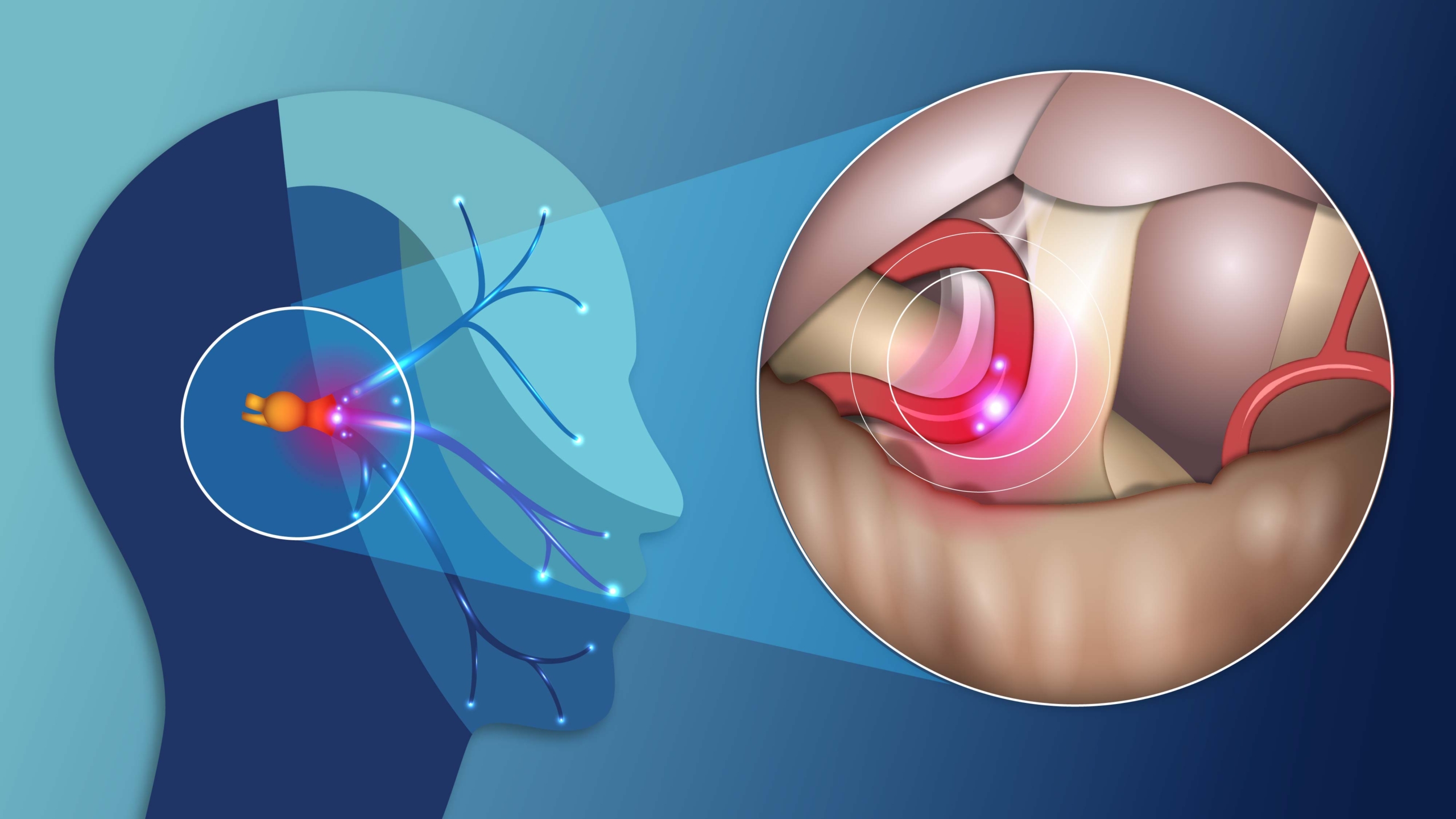
Trigeminal Neuralgia Treatment in Noida
Trigeminal Neuralgia
Trigeminal Neuralgia (TN) is a chronic pain condition affecting the trigeminal nerve, which is responsible for facial sensation. TN causes sudden, severe, stabbing, or shock-like pain on one side of the face, often triggered by everyday activities such as chewing, speaking, or touching the face. The pain episodes can last from a few seconds to several minutes and may become more frequent and intense over time.
Symptoms of Trigeminal Neuralgia

Sharp, electric shock-like facial pain
Pain attacks lasting seconds to minutes
Pain triggered by talking, eating, brushing teeth, or touching the face
Pain usually affects one side of the face
Episodes may become more frequent and severe over time
Causes of Trigeminal Neuralgia
The most common cause is pressure on the trigeminal nerve, usually from a blood vessel. Other causes include:
Multiple sclerosis (damage to nerve covering)
Tumors compressing the nerve
Nerve injury or trauma
Rarely, unknown (idiopathic) causes
Risk Factors
More common in women than men
Typically affects people over 50 years old
May occur in those with neurological conditions such as multiple sclerosis
Diagnosis of Trigeminal Neuralgia
Diagnosis involves:
Detailed medical history and description of symptoms
Neurological examination
MRI scan to rule out tumors or multiple sclerosis
Response to medications often helps confirm diagnosis
Treatment Options for Trigeminal Neuralgia
Medications
Anti-seizure drugs (e.g., carbamazepine) to reduce nerve pain
Muscle relaxants (sometimes used in combination)
Pain relievers (may provide temporary relief)
Surgical Treatments
Microvascular decompression (MVD): Removes or relocates the blood vessel pressing on the nerve
Gamma Knife radiosurgery: Uses focused radiation to block pain signals
Rhizotomy: Destroys nerve fibers to reduce pain signals
Other Options
Nerve blocks for temporary relief
Alternative therapies (acupuncture, biofeedback) as supportive care
Living with Trigeminal Neuralgia
Avoid known triggers such as cold air or excessive chewing
Stress management techniques to reduce pain frequency
Support groups and counseling for mental well-being

🎓 Mch Neurosurgery, MCI Neurospinal surgeon