
- Precision Care for a Stronger Spine
- +91-8448479865
+91-8448479865
drprankulsneuro@gmail.com
Stroke Care
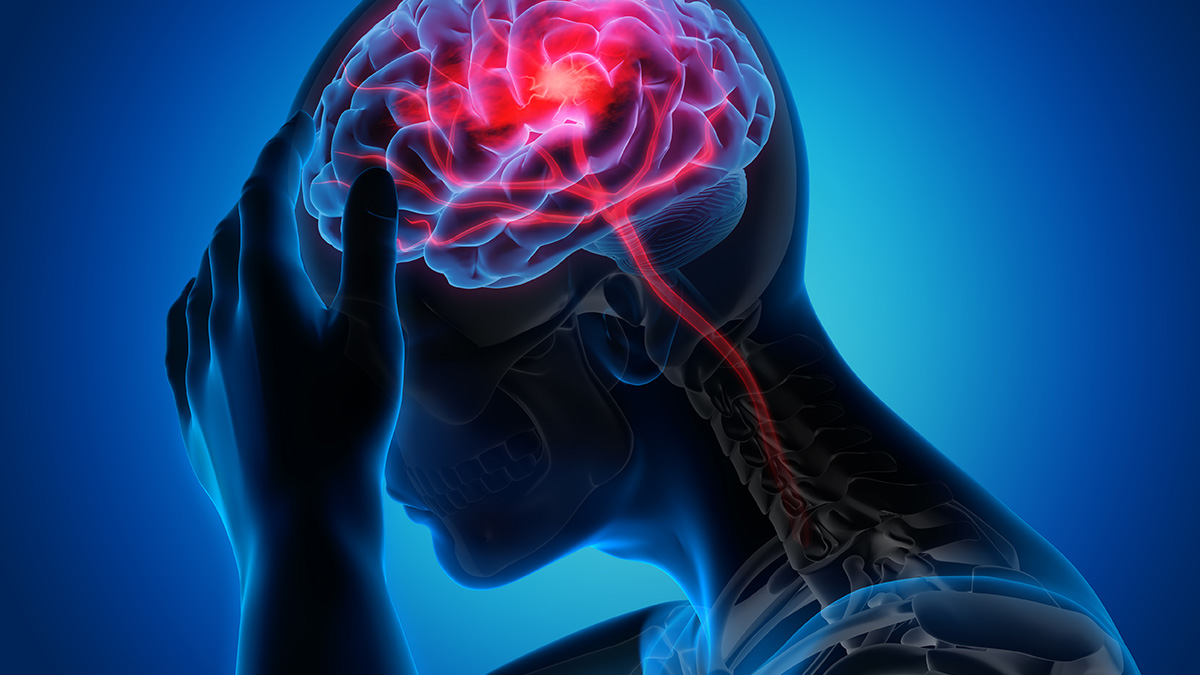
Stroke Care in Noida
Stroke Care
Stroke care plays a crucial role in saving lives and improving recovery outcomes. A stroke occurs when blood flow to the brain is interrupted or reduced, causing brain cells to die. Immediate treatment and long-term care are essential to minimize brain damage and restore function.
Types of Stroke
Understanding stroke types helps in selecting the right treatment:

Ischemic stroke: Caused by a blood clot blocking a brain artery.
Hemorrhagic stroke: Caused by bleeding inside or around the brain.
Transient Ischemic Attack (TIA): A “mini-stroke” with temporary symptoms, warning of possible future strokes.
Early Signs of Stroke
Recognizing symptoms quickly is critical. The FAST method is widely used:
F – Face: Drooping on one side
A – Arms: Weakness in one arm
S – Speech: Slurred or strange speech
T – Time: Call emergency services immediately
Other symptoms include sudden vision loss, dizziness, numbness, and severe headache.
Emergency Stroke Care
Immediate care determines survival and recovery:
Ischemic stroke: Treated with clot-dissolving drugs (tPA) or mechanical thrombectomy.
Hemorrhagic stroke: Requires surgery or procedures to control bleeding and reduce pressure.
Supportive care: Stabilizing breathing, blood pressure, and blood sugar levels.
Time is critical—treatment within the first few hours improves outcomes.
Rehabilitation After Stroke
Rehabilitation starts as soon as the patient is stable and continues for weeks or months. Key approaches include:
Physical therapy: To improve mobility, balance, and strength.
Occupational therapy: To regain daily living skills.
Speech therapy: For communication and swallowing difficulties.
Psychological support: To manage depression and anxiety after stroke.
Long-Term Stroke Care
Effective long-term care ensures better recovery and reduces the risk of complications:
Monitoring blood pressure, cholesterol, and blood sugar
Managing medications for clot prevention or blood thinning
Encouraging a healthy diet and regular exercise
Preventing complications like infections, pressure sores, or falls
Family and caregiver support plays a vital role in stroke recovery.
Stroke Prevention
Prevention strategies significantly lower the risk:
Control high blood pressure and diabetes
Maintain a healthy weight and active lifestyle
Quit smoking and limit alcohol consumption
Eat a balanced diet rich in fruits, vegetables, and whole grains
Regularly monitor heart health, especially for atrial fibrillation

🎓 Mch Neurosurgery, MCI Neurospinal surgeon