
- Precision Care for a Stronger Spine
- +91-8448479865
+91-8448479865
drprankulsneuro@gmail.com
Spondylolysis and Spondylolisthesis
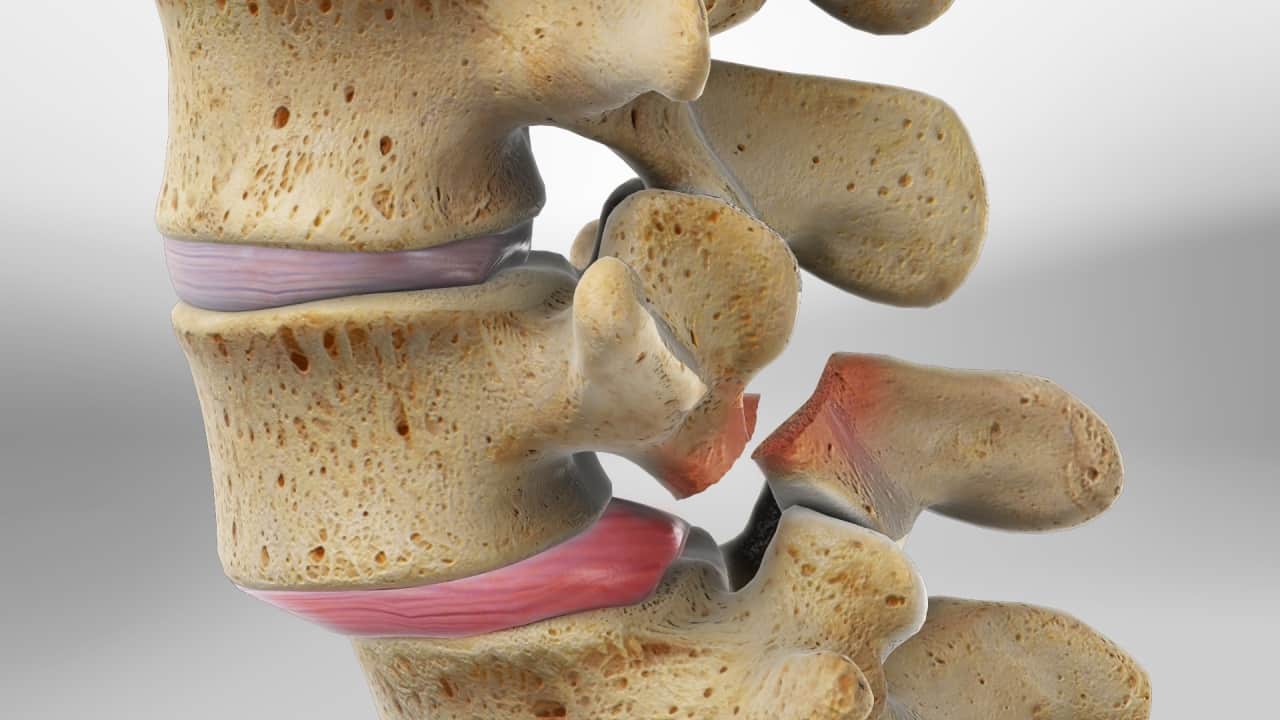
Spondylolysis and Spondylolisthesis Treatment in Noida
Spondylolysis and Spondylolisthesis
Spondylolysis and Spondylolisthesis are two related spinal conditions that affect the lower back. While they are different, both involve instability of the spine and can cause pain, stiffness, and limited mobility. Understanding these conditions helps in early diagnosis and effective treatment.
Spondylolysis is a defect or stress fracture in one of the small bones (vertebrae) of the spine, usually in the lower back. This condition is common among young athletes who participate in sports involving repeated spine extension, such as gymnastics, football, or weightlifting.
What is Spondylolisthesis?
Spondylolisthesis occurs when one vertebra slips forward over the bone below it. This slipping may result from untreated spondylolysis, degenerative changes, or trauma. The condition can range from mild to severe and may affect nerve function in advanced cases.
Causes of Spondylolysis and Spondylolisthesis

Repetitive stress or overuse: Sports and activities that strain the spine.
Genetic predisposition: Some people are born with thinner vertebrae.
Degenerative changes: Aging and wear-and-tear of the spine.
Trauma or injury: Sudden accidents may damage the vertebrae.
Congenital defects: Present at birth in some individuals.
Symptoms of Spondylolysis and Spondylolisthesis
Symptoms vary depending on severity:
Lower back pain, often worsened by activity
Stiffness in the back and hamstrings
Pain radiating to the buttocks or legs
Numbness, tingling, or weakness in the legs (in spondylolisthesis)
Difficulty standing or walking for long periods
Muscle tightness and reduced flexibility
Diagnosis of Spondylolysis and Spondylolisthesis
Doctors use several methods to confirm these conditions:
Physical examination: Checking posture, flexibility, and strength.
X-rays: Reveal fractures or slippage of vertebrae.
MRI scans: Show nerve compression or disc involvement.
CT scans: Provide detailed images of spinal structures.
Treatment Options
Non-Surgical Treatments
Rest and activity modification: Avoid activities that strain the back.
Medications: Pain relievers and anti-inflammatory drugs.
Physical therapy: Exercises to strengthen core and back muscles.
Bracing: Helps stabilize the spine and reduce pain.
Injections: Corticosteroid injections may reduce inflammation.
Surgical Treatments
Surgery may be necessary if symptoms persist or nerve compression worsens. Options include:
Spinal fusion: Joining two or more vertebrae to stabilize the spine.
Laminectomy: Relieving pressure on the spinal cord or nerves.
Prevention and Lifestyle Tips
Maintain a healthy posture and avoid slouching.
Strengthen core muscles with regular exercise.
Use proper techniques when lifting heavy objects.
Avoid overtraining in high-impact sports.
Keep a healthy weight to reduce spinal stress.

🎓 Mch Neurosurgery, MCI Neurospinal surgeon