
- Precision Care for a Stronger Spine
- +91-8448479865
+91-8448479865
drprankulsneuro@gmail.com
Back Pain
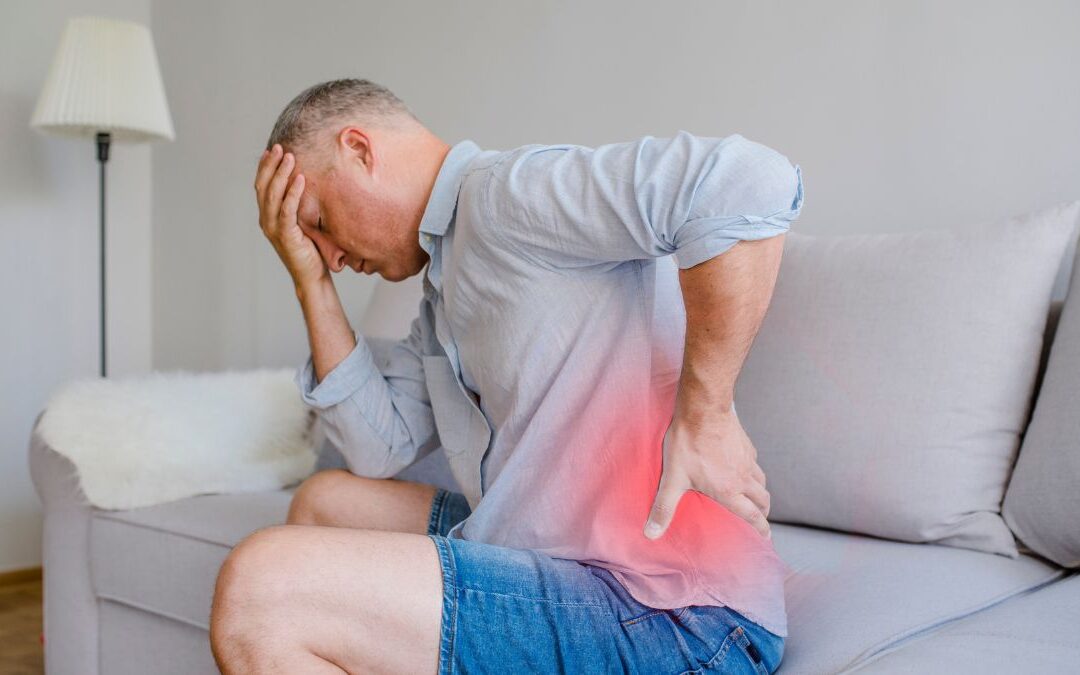
Back Pain Treatment in Noida
Back Pain
Back Pain is one of the most frequent health problems affecting people of all ages. It can range from mild discomfort to severe pain that limits movement. Back pain may occur suddenly or develop gradually and is a leading cause of missed work and reduced quality of life.
Back pain refers to discomfort felt anywhere along the spine, from the neck to the lower back. It may be acute, lasting for a short time, or chronic, persisting for more than three months. Both lifestyle factors and medical conditions contribute to back pain.
Common Causes of Back Pain
Back pain can result from several factors, including:

Muscle or ligament strain
Poor posture and prolonged sitting
Herniated or slipped disc
Arthritis or osteoporosis
Spinal stenosis (narrowing of the spinal canal)
Injuries from falls, sports, or heavy lifting
Stress and tension leading to muscle tightness
Symptoms of Back Pain
The symptoms may vary depending on the underlying cause but often include:
Dull, aching, or sharp pain in the back
Stiffness and difficulty in movement
Pain that radiates to the legs (sciatica)
Muscle spasms
Reduced flexibility and mobility
Severe symptoms such as numbness, tingling, or loss of bladder control require immediate medical care.
Diagnosis of Back Pain
Doctors may use different methods to identify the cause of back pain, including:
Physical examination and medical history review
Imaging tests such as X-rays, MRI, or CT scans
Nerve studies to detect nerve compression
Blood tests to rule out infections or underlying conditions
Treatment for Back Pain
Most back pain improves with conservative treatment. Options include:
Rest and lifestyle changes: Short rest followed by gradual activity helps recovery.
Medications: Pain relievers, anti-inflammatory drugs, and muscle relaxants can ease discomfort.
Physical therapy: Exercises to strengthen muscles and improve posture reduce recurrence.
Heat and cold therapy: Applying hot or cold packs relieves stiffness and inflammation.
Injections or surgery: In severe cases, corticosteroid injections or surgical intervention may be required.
Prevention of Back Pain
Simple habits can prevent or reduce back pain:
Maintain a healthy posture while sitting and standing
Exercise regularly, especially strengthening the core and back muscles
Lift objects correctly by bending the knees
Use ergonomic chairs and supportive mattresses
Avoid prolonged inactivity or sitting for long hours
When to See a Doctor
Seek medical advice if back pain:
Persists longer than a few weeks
Is severe and does not improve with rest
Spreads to the legs with tingling or numbness
Follows a serious fall or injury
Is associated with fever or unexplained weight loss

🎓 Mch Neurosurgery, MCI Neurospinal surgeon