
- Precision Care for a Stronger Spine
- +91-8448479865
+91-8448479865
drprankulsneuro@gmail.com
Back Pain in Pregnancy
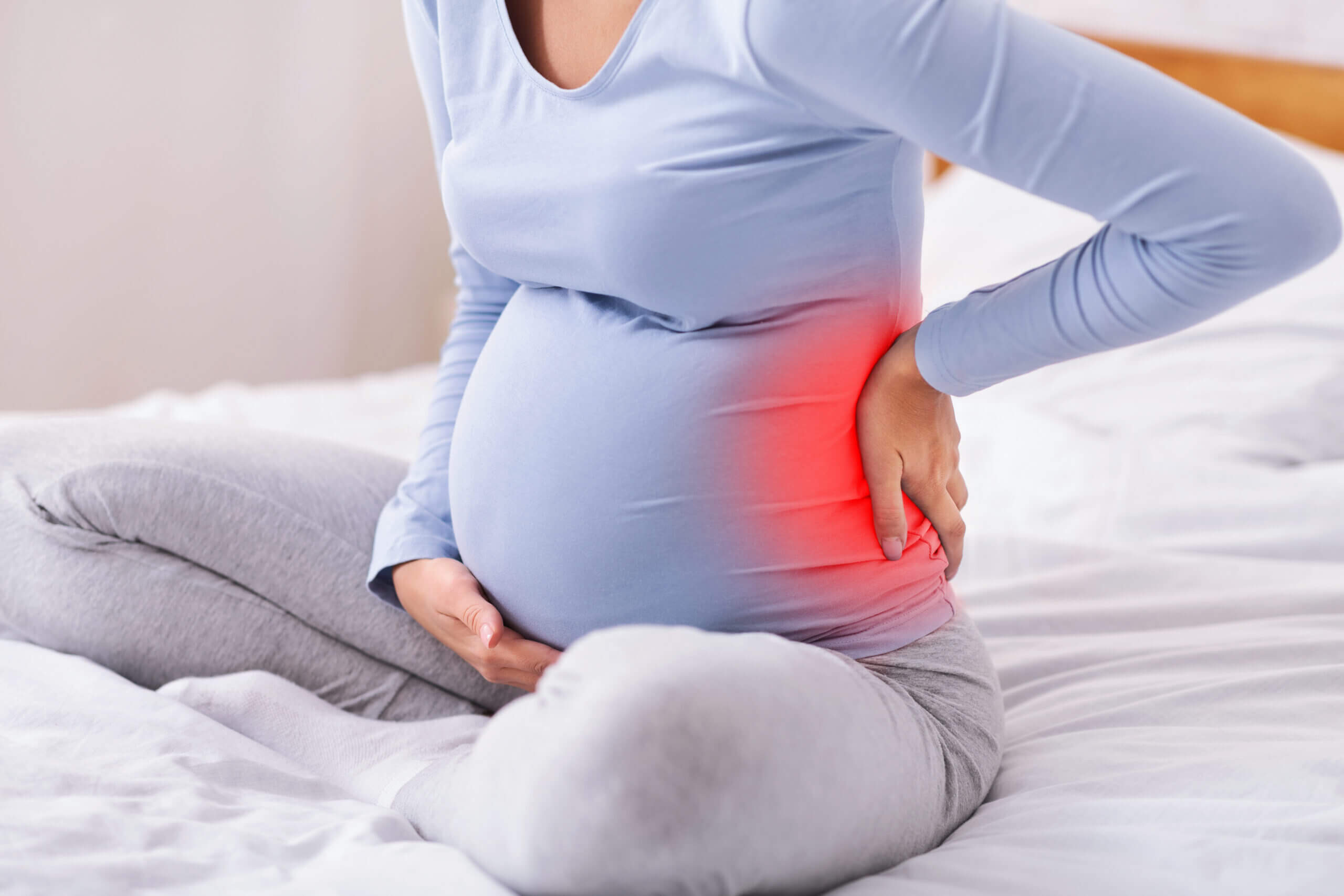
Back Pain Pregnancy Treatment in Noida
Back Pain in Pregnancy
Back Pain in Pregnancy is a common problem that affects more than half of expectant mothers. It usually develops due to hormonal changes, weight gain, and postural adjustments during pregnancy. While not usually harmful, it can interfere with daily activities and sleep if left unmanaged.
Pregnancy-related back pain often occurs in the lower back or pelvic region. It can begin in early pregnancy and worsen as the pregnancy progresses. The discomfort usually improves after delivery, but proper care during pregnancy helps reduce its impact.
Causes of Back Pain During Pregnancy
Several factors contribute to back pain in pregnant women, including:

Hormonal changes: Relaxin hormone loosens ligaments and joints, causing instability.
Weight gain: Extra weight puts additional pressure on the spine.
Posture changes: The growing belly shifts the center of gravity, affecting balance.
Muscle separation: Abdominal muscles stretch and weaken, reducing core support.
Stress: Emotional stress can lead to muscle tension in the back.
Symptoms of Back Pain in Pregnancy
The pain may vary from mild discomfort to severe aching. Common symptoms include:
Dull pain in the lower back or buttocks
Stiffness, especially after sitting or standing for long periods
Pain that worsens with lifting, walking, or climbing stairs
Radiating pain into the thighs or legs in some cases
Sleep disturbances due to discomfort
How to Manage Back Pain in Pregnancy
Fortunately, most back pain in pregnancy can be managed with simple measures:
Exercise regularly: Gentle activities like walking, swimming, and prenatal yoga strengthen back muscles.
Maintain good posture: Keep shoulders back and avoid slouching.
Use proper lifting techniques: Bend at the knees, not the waist.
Apply heat or cold packs: Helps relieve pain and stiffness.
Wear supportive footwear: Low-heeled, cushioned shoes reduce spinal strain.
Sleep comfortably: Use a pregnancy pillow and lie on your side with knees bent.
Prenatal massage or physiotherapy: Can ease muscle tension and improve mobility.
When to See a Doctor
Seek medical advice if back pain:
Is severe or sudden
Is accompanied by cramping or vaginal bleeding
Spreads down the legs with numbness or tingling
Persists despite home remedies
In rare cases, back pain may signal preterm labor or other pregnancy complications.
Prevention of Back Pain in Pregnancy
Expectant mothers can reduce the risk of back pain by:
Maintaining a healthy weight throughout pregnancy
Staying active with safe, doctor-approved exercises
Using ergonomic chairs and supportive mattresses
Practicing relaxation techniques to reduce stress

🎓 Mch Neurosurgery, MCI Neurospinal surgeon