
- Precision Care for a Stronger Spine
- +91-8448479865
+91-8448479865
drprankulsneuro@gmail.com
Degenerative Disc
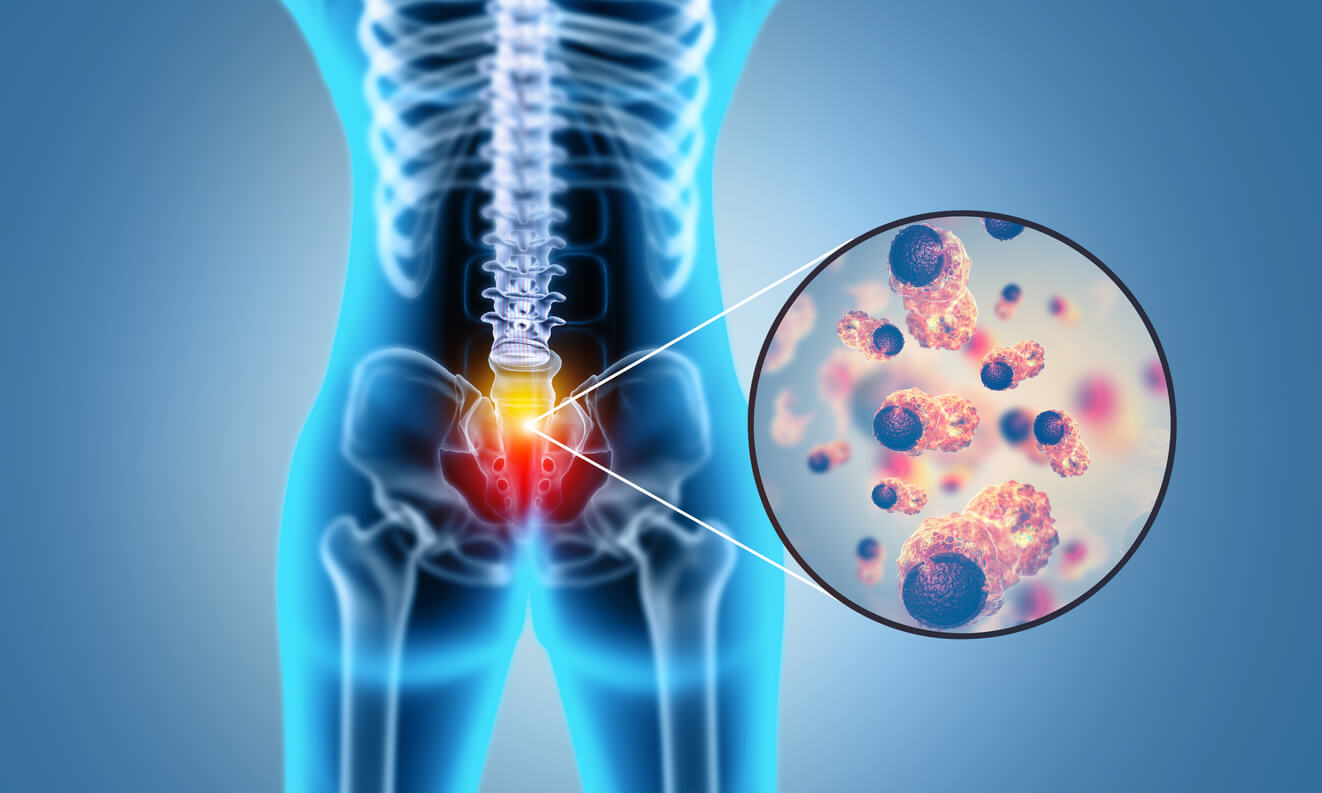
Degenerative Disc Treatment in Noida
Degenerative Disc
Degenerative Disc Disease (DDD) is a common spinal condition where the intervertebral discs lose strength, flexibility, and cushioning ability. Despite its name, it is not an actual disease but a natural part of aging. However, it can cause chronic pain and limit mobility if left unmanaged.
Spinal discs act as shock absorbers between the vertebrae. Over time, these discs can wear down, lose hydration, and become less flexible. This leads to reduced cushioning, nerve compression, and pain in the back or neck.
Causes of Degenerative Disc Disease
Several factors contribute to disc degeneration, including:

Aging: Natural wear and tear of discs with age
Genetics: Family history of spine problems
Injuries: Trauma or repetitive stress on the spine
Lifestyle factors: Smoking, poor posture, and obesity accelerate disc damage
Dehydration of discs: Loss of water content reduces disc height and flexibility
Symptoms of Degenerative Disc Disease
The symptoms vary depending on the location and severity of the degeneration. Common signs include:
Persistent lower back or neck pain
Pain that worsens with sitting, bending, or lifting
Relief when walking or lying down
Numbness, tingling, or weakness in arms or legs (if nerves are affected)
Episodes of intense pain followed by periods of relief
Complications of Degenerative Disc Disease
If untreated, DDD may lead to:
Herniated or bulging discs
Spinal stenosis (narrowing of the spinal canal)
Osteoarthritis in the spine
Reduced mobility and chronic pain
Increased risk of nerve damage
Diagnosis of Degenerative Disc Disease
To confirm diagnosis, doctors may use:
Physical examination and medical history
Imaging tests such as X-rays, MRI, or CT scans
Nerve conduction studies if nerve compression is suspected
Treatment Options for Degenerative Disc Disease
While DDD cannot be completely reversed, treatments help manage pain and improve quality of life. Options include:
Lifestyle changes: Regular exercise, weight management, and quitting smoking
Medications: Pain relievers, anti-inflammatory drugs, or muscle relaxants
Physical therapy: Strengthening and stretching exercises for spinal support
Heat and cold therapy: To relieve pain and inflammation
Injections: Corticosteroid injections for severe inflammation
Surgery: Spinal fusion or artificial disc replacement in severe cases
Prevention of Degenerative Disc Disease
Healthy habits can slow down disc degeneration:
Maintain proper posture when sitting and standing
Exercise regularly, focusing on core and back muscles
Lift objects correctly to avoid strain
Stay hydrated to support disc health
Use ergonomic chairs and supportive mattresses

🎓 Mch Neurosurgery, MCI Neurospinal surgeon