
- Precision Care for a Stronger Spine
- +91-8448479865
+91-8448479865
drprankulsneuro@gmail.com
Lumbar Spondylosis
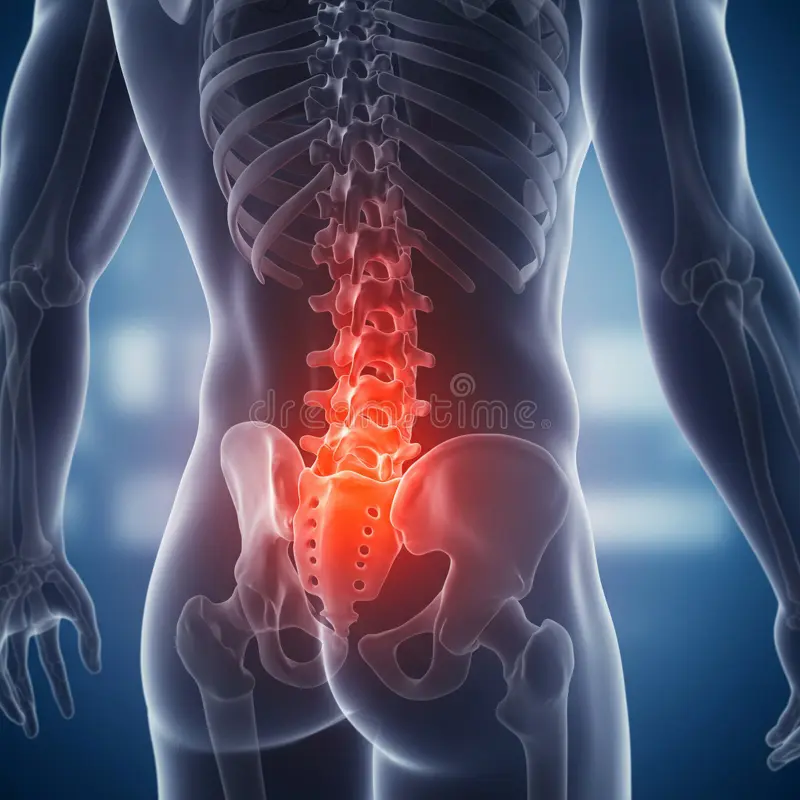
Lumbar Spondylosis Treatment in Noida
Lumbar Spondylosis
Lumbar spondylosis is a common degenerative condition affecting the lower spine. It occurs due to age-related wear and tear of the vertebrae, discs, and joints in the lumbar region. While many people experience no symptoms, some may develop chronic pain, stiffness, or nerve-related complications.
The lumbar spine supports much of the body’s weight and allows flexibility in movement. Over time, the spinal discs lose hydration, and bones develop small growths called bone spurs. These changes can cause pain, restricted mobility, and nerve compression in severe cases.
Causes of Lumbar Spondylosis
Lumbar spondylosis develops due to multiple factors, including:

Aging: Natural degeneration of discs and joints with age
Repetitive stress: Heavy lifting or strenuous physical activity
Genetics: Family history of spinal conditions
Obesity: Extra weight putting stress on the spine
Injuries: Previous spinal injuries accelerating degeneration
Sedentary lifestyle: Weak back and core muscles
Symptoms of Lumbar Spondylosis
Not everyone with lumbar spondylosis experiences symptoms. When present, they may include:
Chronic lower back pain
Morning stiffness or pain after long periods of inactivity
Radiating pain to hips, buttocks, or legs
Numbness or tingling in legs if nerves are compressed
Weakness in lower limbs in advanced cases
Complications of Lumbar Spondylosis
If left untreated, lumbar spondylosis may cause:
Herniated discs
Spinal stenosis (narrowing of spinal canal)
Sciatica due to nerve compression
Reduced flexibility and mobility
Diagnosis of Lumbar Spondylosis
To confirm lumbar spondylosis, doctors may use:
Physical examination: Checking range of motion and pain levels
X-rays: To detect bone changes and spurs
MRI or CT scans: To evaluate discs and nerves
Nerve studies: To assess the impact on spinal nerves
Treatment Options for Lumbar Spondylosis
Treatment focuses on pain relief, improving mobility, and preventing progression. Options include:
Lifestyle changes: Regular exercise, weight management, and proper posture
Medications: Pain relievers, anti-inflammatory drugs, or muscle relaxants
Physical therapy: Stretching and strengthening exercises for spinal support
Heat and cold therapy: To reduce stiffness and inflammation
Epidural injections: Steroid injections for severe nerve irritation
Surgery: Spinal decompression or fusion in severe cases
Prevention of Lumbar Spondylosis
Although aging cannot be prevented, the risk can be reduced by:
Maintaining a healthy weight
Staying physically active with core-strengthening exercises
Using ergonomic furniture for sitting and working
Avoiding heavy lifting or doing it with proper techniques
Practicing good posture daily

🎓 Mch Neurosurgery, MCI Neurospinal surgeon