
- Precision Care for a Stronger Spine
- +91-8448479865
+91-8448479865
drprankulsneuro@gmail.com
Scoliosis
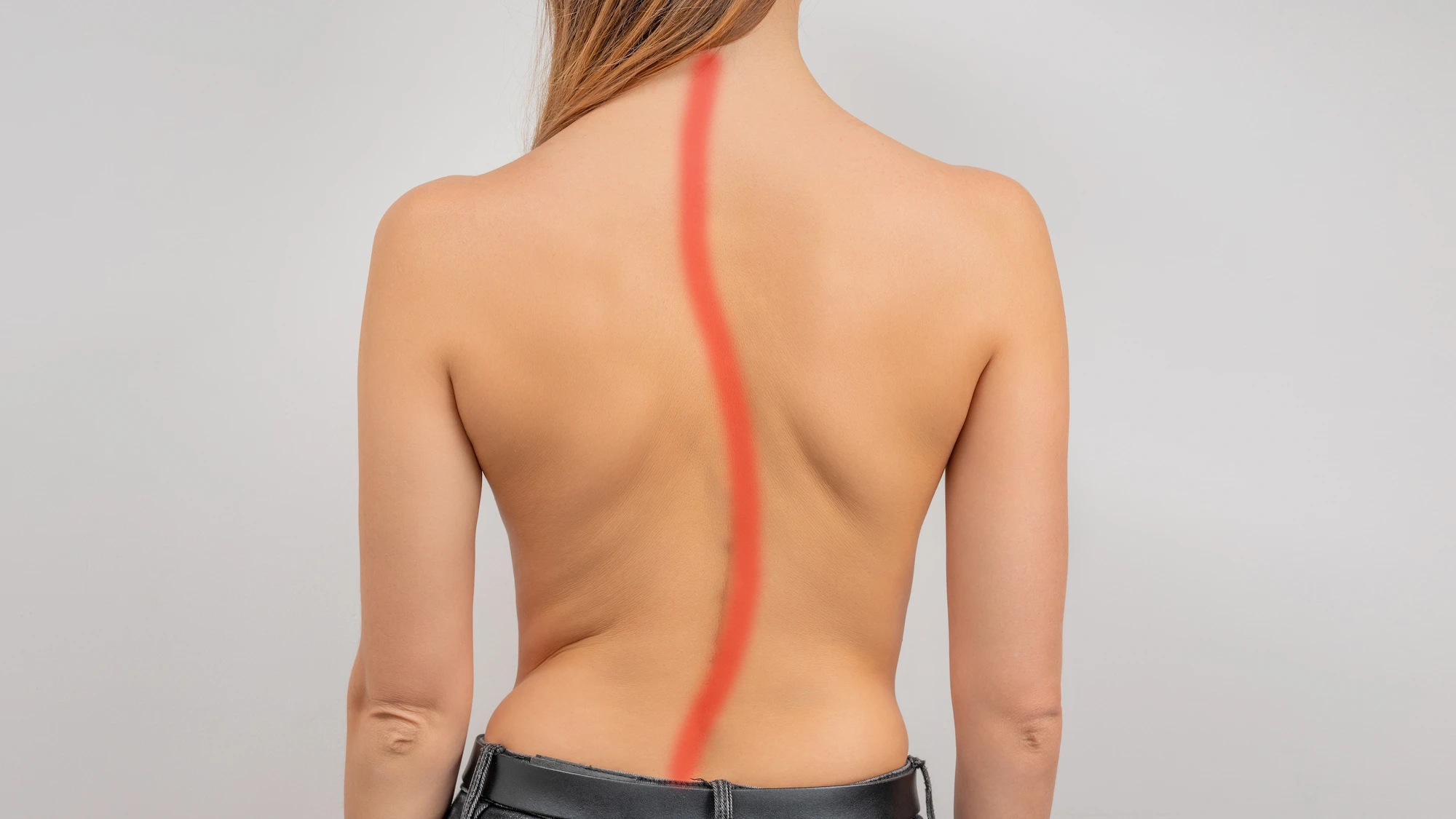
Scoliosis Treatment in Noida
Scoliosis
Scoliosis is a medical condition where the spine curves sideways, often in an "S" or "C" shape. While mild cases may cause little discomfort, severe scoliosis can lead to pain, breathing difficulties, and posture problems. Early detection and proper treatment can help manage the condition effectively.
Scoliosis is not simply poor posture but a structural change in the spine. It can appear at any age, though it is most common in children and adolescents during growth spurts. In adults, scoliosis may develop due to age-related changes in the spine.
Causes of Scoliosis
The exact cause of scoliosis is often unknown, but several factors contribute:

Idiopathic scoliosis: Most common, with no clear cause, usually found in teenagers.
Congenital scoliosis: Present at birth due to abnormal spine formation.
Neuromuscular scoliosis: Linked to conditions like cerebral palsy or muscular dystrophy.
Degenerative scoliosis: Caused by aging, arthritis, or spinal disc degeneration.
Genetics: Family history increases the risk of developing scoliosis.
Symptoms of Scoliosis
Scoliosis symptoms depend on the degree of curvature. Common signs include:
Uneven shoulders or waist
One hip higher than the other
Visible spine curve when bending forward
Clothes not fitting properly
Back pain or stiffness in adults
Breathing problems in severe cases
Diagnosis of Scoliosis
Doctors use different methods to confirm scoliosis:
Physical examination: Checking posture, shoulder, and hip alignment.
Adam’s forward bend test: To detect spinal curve visibility.
X-rays: To measure the angle and severity of the spinal curve.
MRI or CT scans: If neurological issues are suspected.
Treatment of Scoliosis
Treatment depends on age, curve severity, and progression risk. Options include:
Observation: For mild curves that do not progress.
Bracing: Helps prevent further curve progression in growing children.
Physical therapy: Exercises to improve posture, flexibility, and strength.
Pain management: Medications or injections for adults with back pain.
Surgery (Spinal fusion): Recommended for severe curves affecting quality of life.
Complications of Scoliosis
If left untreated, scoliosis may lead to:
Chronic back pain
Reduced lung function
Limited mobility
Visible deformity
Emotional or social challenges in children and teens
Prevention and Lifestyle Management
While scoliosis cannot always be prevented, maintaining a healthy lifestyle helps manage symptoms:
Practicing good posture daily
Engaging in low-impact exercises like swimming or yoga
Strengthening back and core muscles
Regular check-ups for children during growth years

🎓 Mch Neurosurgery, MCI Neurospinal surgeon