
- Precision Care for a Stronger Spine
- +91-8448479865
+91-8448479865
drprankulsneuro@gmail.com
Kyphosis
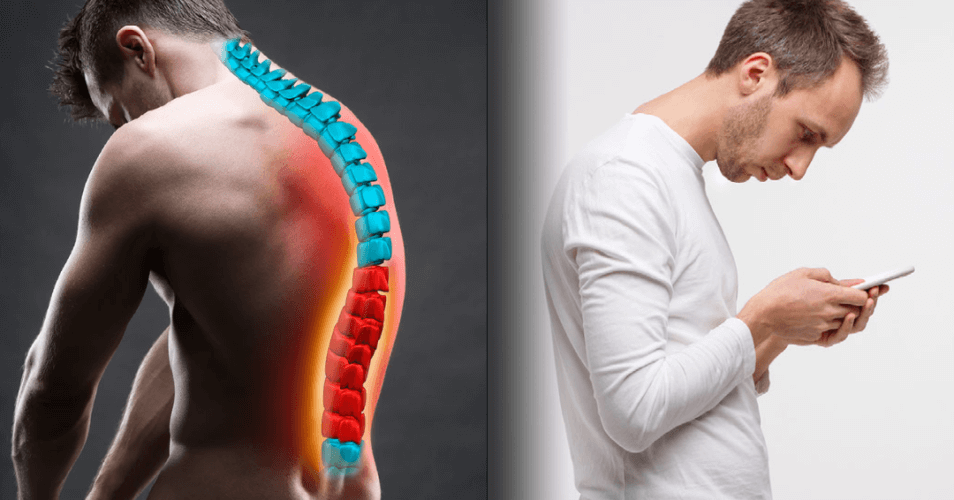
Kyphosis Treatment in Noida
Kyphosis
Kyphosis is a spinal condition where the upper back develops an exaggerated forward curve, giving a rounded or hunched appearance. While mild cases may not cause problems, severe kyphosis can lead to pain, stiffness, and difficulty in movement.
Kyphosis is a deformity of the thoracic spine, often referred to as a "hunchback." The spine normally has gentle curves, but in kyphosis, the forward curve becomes excessive. It can affect people of all ages but is most common in older adults due to age-related changes in the spine.
Types of Kyphosis
There are different forms of kyphosis, including:

Postural Kyphosis: Caused by poor posture, often seen in teenagers.
Scheuermann’s Kyphosis: A structural deformity of the spine that develops during growth.
Congenital Kyphosis: Present at birth due to spinal malformation.
Age-related Kyphosis: Caused by osteoporosis, fractures, or degenerative changes.
Causes of Kyphosis
Kyphosis may develop due to various factors, such as:
Poor posture and slouching
Osteoporosis leading to vertebral fractures
Spinal degeneration with aging
Genetic or congenital spinal malformations
Infections or tumors affecting the spine
Muscle weakness or imbalance
Symptoms of Kyphosis
Symptoms depend on the severity of the curve. Common signs include:
Rounded shoulders or visible hunchback
Back pain and stiffness
Fatigue due to strained back muscles
Limited mobility in the spine
In severe cases, breathing difficulties from reduced lung capacity
Numbness or weakness if nerves are compressed
Diagnosis of Kyphosis
Doctors diagnose kyphosis using:
Physical examination of posture and spine
X-rays to measure the curvature of the spine
MRI or CT scans if nerve compression is suspected
Bone density tests to check for osteoporosis
Treatment Options for Kyphosis
The treatment depends on the type and severity of the condition:
Postural Kyphosis: Improved posture, exercises, and physical therapy
Mild Kyphosis: Pain relievers, strengthening exercises, and lifestyle adjustments
Moderate to Severe Kyphosis: Bracing, especially in children and adolescents during growth
Severe or Progressive Kyphosis: Surgery such as spinal fusion to correct the curve
Underlying Conditions: Osteoporosis treatment or tumor removal if necessary
Prevention of Kyphosis
Not all cases can be prevented, but risk can be reduced by:
Practicing good posture while sitting and standing
Strengthening back and core muscles through exercise
Eating a calcium- and vitamin D-rich diet to protect bone health
Avoiding heavy loads that strain the spine
Treating osteoporosis and spinal conditions early

🎓 Mch Neurosurgery, MCI Neurospinal surgeon