
- Precision Care for a Stronger Spine
- +91-8448479865
+91-8448479865
drprankulsneuro@gmail.com
Skull base surgery
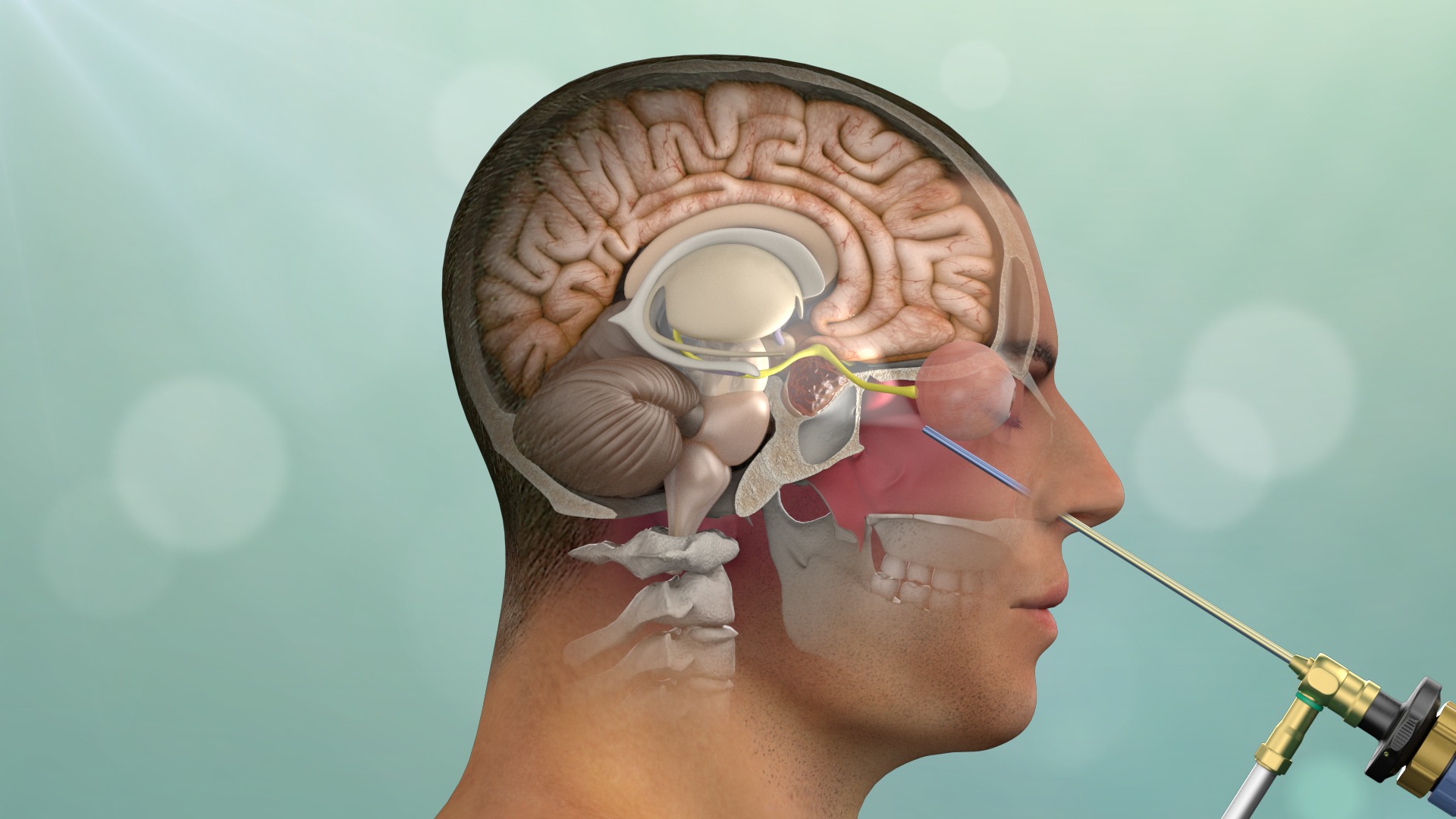
Skull Base Surgery in Noida
Skull base surgery
Skull base surgery is a highly specialized procedure performed to treat conditions located at the base of the skull. This area is a complex region that houses critical structures, including blood vessels, nerves, and the brainstem. Surgeons use advanced techniques to remove tumors, repair abnormalities, or treat vascular conditions while minimizing damage to healthy tissues.
What is Skull Base Surgery?
Skull base surgery involves removing or repairing growths, tumors, or abnormalities located deep within the skull. Surgeons often use either a traditional open approach or a minimally invasive endoscopic method. The chosen approach depends on the type, size, and location of the condition.
Conditions Treated with Skull Base Surgery

Brain tumors near the skull base
Pituitary tumors
Meningiomas
Acoustic neuromas (vestibular schwannomas)
Skull base fractures
Cerebrospinal fluid (CSF) leaks
Arteriovenous malformations (AVMs)
Congenital abnormalities
Types of Skull Base Surgery
Endoscopic Skull Base Surgery
Minimally invasive technique
Performed using a thin, flexible tube with a camera (endoscope)
Inserted through the nose or mouth
Results in faster recovery and fewer complications
Open Skull Base Surgery
Requires an incision in the skull or face
Provides direct access to complex tumors or abnormalities
Used when minimally invasive methods are not suitable
Preparation for Skull Base Surgery
Before surgery, patients undergo:
Detailed neurological and physical examinations
Imaging tests like MRI, CT scan, or angiography
Blood tests and anesthesia evaluation
Doctors may also advise stopping certain medications and making lifestyle changes for a safer recovery.
Risks and Complications
Infection
Bleeding
Nerve damage
Vision or hearing problems
Stroke
Cerebrospinal fluid leaks
Memory or balance issues
Recovery After Skull Base Surgery
Recovery varies depending on the surgical approach and patient’s overall health:
Hospital stay may range from a few days to two weeks
Pain management and antibiotics are often prescribed
Physical and occupational therapy may be required
Follow-up imaging ensures complete tumor removal or repair
Patients are advised to avoid strenuous activities until cleared by the surgeon.
Advances in Skull Base Surgery
Modern techniques such as neuronavigation, intraoperative MRI, and minimally invasive endoscopic surgery have significantly improved success rates. These methods reduce recovery time and lower the risks of complications.

🎓 Mch Neurosurgery, MCI Neurospinal surgeon