
- Precision Care for a Stronger Spine
- +91-8448479865
+91-8448479865
drprankulsneuro@gmail.com
Brain Aneurysm Treatment in Noida
Brain Aneurysm
Brain Aneurysm
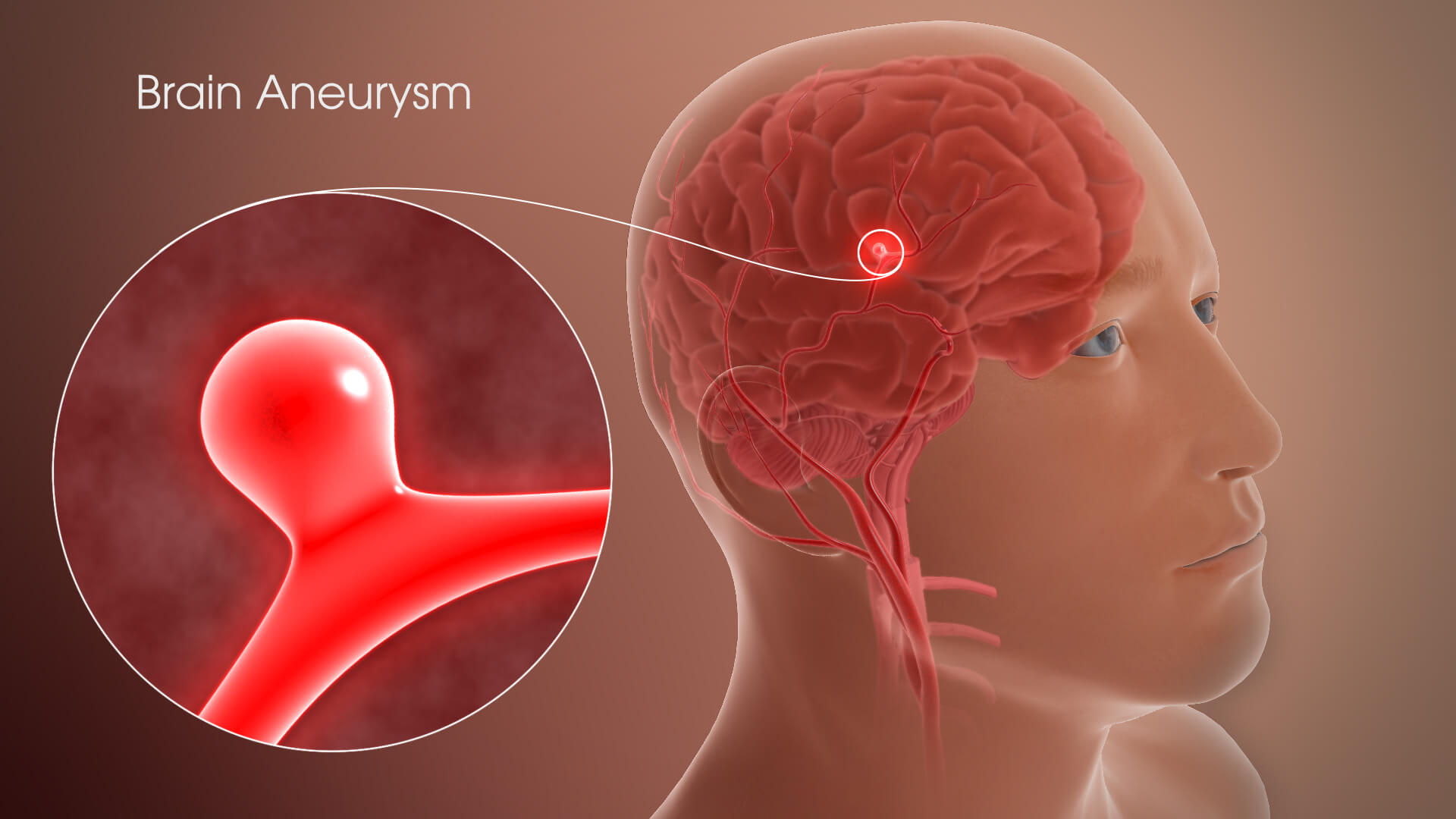
A brain aneurysm, also known as a cerebral aneurysm, is a weak spot in a blood vessel in the brain. It bulges outward, forming a balloon-like shape. Most aneurysms do not cause symptoms until they rupture, leading to life-threatening bleeding in the brain, called a hemorrhagic stroke.
A brain aneurysm occurs when the wall of a blood vessel in the brain becomes thin and weak. Over time, blood pressure causes it to bulge. Small aneurysms may never rupture, but larger ones carry higher risks.
Types of Brain Aneurysms

Saccular (berry) aneurysm: Most common type, shaped like a berry.
Fusiform aneurysm: A blood vessel widens in all directions.
Mycotic aneurysm: Caused by an infection in the artery wall.
Causes and Risk Factors
High blood pressure
Family history of aneurysms
Smoking and alcohol use
Drug abuse, especially cocaine
Trauma or head injury
Certain genetic conditions like polycystic kidney disease
Age and gender, with women at higher risk
Symptoms of a Brain Aneurysm
Unruptured aneurysm:
Headaches
Eye pain or double vision
Dilated pupils
Numbness or weakness on one side of the face
Ruptured aneurysm (medical emergency):
Sudden severe headache, often described as "the worst headache of life"
Nausea and vomiting
Sensitivity to light
Seizures
Loss of consciousness
Neck stiffness
Diagnosis of Brain Aneurysm
Doctors use advanced imaging techniques to detect and evaluate aneurysms:
CT scan: Identifies bleeding in the brain.
MRI scan: Provides detailed brain images.
Cerebral angiography: Pinpoints the exact location and size of the aneurysm.
Lumbar puncture: Checks for blood in cerebrospinal fluid after rupture.
Treatment Options for Brain Aneurysms
Unruptured aneurysms:
Careful monitoring with regular scans
Blood pressure management
Lifestyle changes, including quitting smoking and reducing alcohol
Surgical treatments:
Surgical clipping: A metal clip seals the aneurysm.
Endovascular coiling: Tiny coils fill the aneurysm to prevent rupture.
Flow diversion: A stent redirects blood flow away from the aneurysm.
Prevention and Risk Management
Control blood pressure
Eat a balanced diet
Avoid smoking and drug use
Exercise regularly
Manage stress effectively
Outlook and Recovery
Survival after a ruptured brain aneurysm depends on early diagnosis and treatment. Many patients require rehabilitation, including physical, occupational, and speech therapy. With proper medical care, people can recover and return to daily life.

🎓 Mch Neurosurgery, MCI Neurospinal surgeon