
- Precision Care for a Stronger Spine
- +91-8448479865
+91-8448479865
drprankulsneuro@gmail.com
Slip Disc
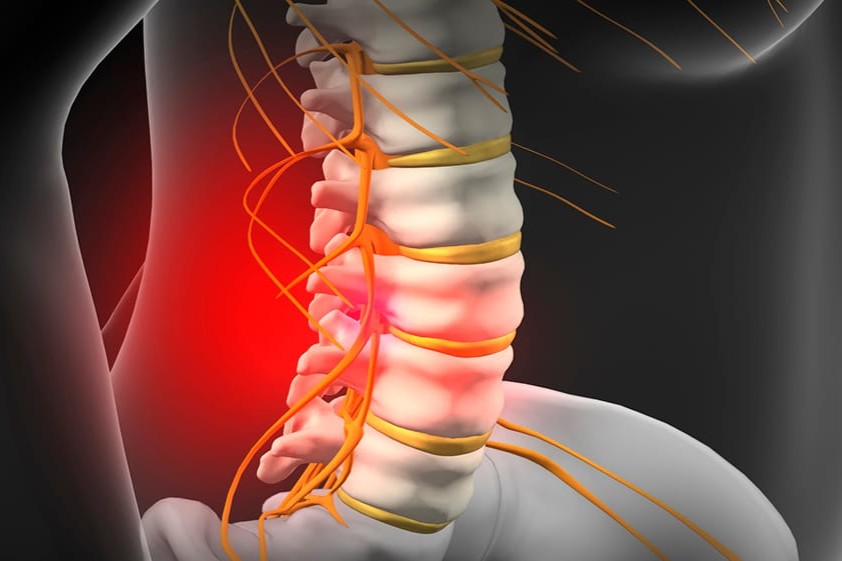
Slip Disc Disease Treatment in Noida
Slip Disc
A slip disc, also known as a herniated or prolapsed disc, occurs when the soft cushion of tissue between the spinal bones pushes out. This condition often causes pain, numbness, or weakness in the back, neck, or legs. Depending on severity, it can limit mobility and daily activities.
The spine is made up of vertebrae separated by discs that act as shock absorbers. When a disc slips out of place or ruptures, it presses on nearby nerves, causing discomfort and pain. A slipped disc can occur in any part of the spine but is most common in the lower back.
Causes of Slip Disc
Several factors increase the risk of developing a slipped disc:

Age-related wear and tear (degenerative disc disease)
Improper lifting techniques that strain the spine
Sudden injuries or accidents
Repetitive movements putting pressure on the spine
Obesity adding stress to the lower back
Sedentary lifestyle leading to weak muscles
Genetics making some people more prone to disc problems
Symptoms of Slip Disc
The symptoms vary depending on the location and nerve involvement:
Sharp pain in the back, neck, or buttocks
Pain radiating to arms or legs
Tingling or numbness in the affected area
Muscle weakness, making it difficult to lift or hold objects
Pain that worsens with movement, coughing, or sneezing
Diagnosis of Slip Disc
Doctors diagnose a slipped disc using several methods:
Physical examination: Testing reflexes, muscle strength, and mobility.
Imaging tests: MRI and CT scans provide detailed images of the spine.
X-rays: To rule out other spinal conditions.
Nerve studies: To assess nerve damage or irritation.
Treatment for Slip Disc
Most cases improve with conservative treatment. Options include:
Medications: Pain relievers, anti-inflammatory drugs, or muscle relaxants.
Physical therapy: Exercises to strengthen back muscles and improve posture.
Heat and cold therapy: To reduce inflammation and pain.
Lifestyle changes: Weight management and ergonomic adjustments.
Epidural injections: Corticosteroids to reduce nerve inflammation.
Surgery: Considered when conservative methods fail or symptoms worsen, such as loss of bladder or bowel control.
Home Remedies for Slip Disc
Alongside medical treatment, simple practices can help:
Gentle stretching and yoga
Short walks to improve mobility
Sleeping on a supportive mattress
Avoiding prolonged sitting or heavy lifting
Prevention of Slip Disc
You can reduce your risk of a slipped disc by:
Maintaining correct posture while sitting and standing
Exercising regularly to strengthen the spine and core
Avoiding sudden heavy lifting
Keeping a healthy weight
Taking breaks during long sitting hours

🎓 Mch Neurosurgery, MCI Neurospinal surgeon