
- Precision Care for a Stronger Spine
- +91-8448479865
+91-8448479865
drprankulsneuro@gmail.com
Functional Neurosurgery in Noida
Functional Neurosurgery
Functional Neurosurgery
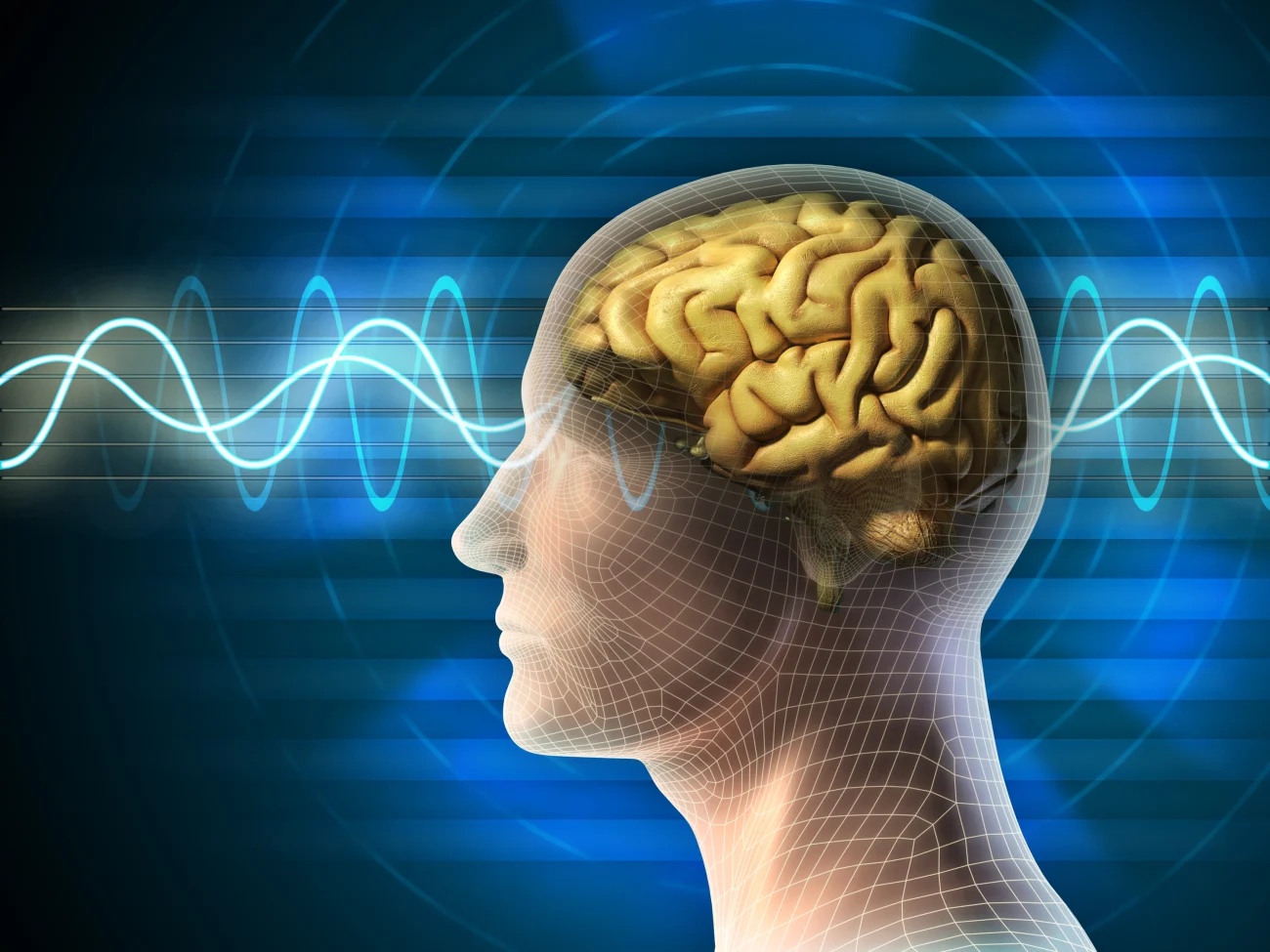
Functional neurosurgery is a specialized field of neurosurgery that focuses on treating neurological conditions by modifying the function of the brain, spinal cord, or peripheral nerves. Instead of removing disease-causing tissues, it aims to improve quality of life by restoring or enhancing neurological functions. This branch of surgery has transformed the treatment of chronic pain, movement disorders, and epilepsy.
Conditions Treated with Functional Neurosurgery

Parkinson’s disease and other movement disorders
Epilepsy resistant to medications
Chronic pain syndromes
Dystonia and tremors
Obsessive-compulsive disorder (OCD) and psychiatric conditions
Spasticity following stroke or spinal cord injury
Key Procedures in Functional Neurosurgery
Deep Brain Stimulation (DBS)
Electrodes are implanted into specific brain areas
Controlled electrical impulses regulate abnormal brain signals
Widely used for Parkinson’s disease, tremors, and dystonia
Lesioning Procedures
Involves creating small, targeted lesions in specific brain regions
Helps control movement disorders or chronic pain
Epilepsy Surgery
Includes removal of seizure-causing tissue or nerve stimulation
Provides relief when medications fail to control seizures
Spinal Cord Stimulation
Uses implanted devices to deliver electrical signals to the spinal cord
Reduces chronic pain by blocking pain transmission
Motor Cortex Stimulation
Electrodes placed on the motor cortex control pain and movement issues
Effective for post-stroke pain and other neuropathic pain conditions
Benefits of Functional Neurosurgery
Significant reduction in symptoms like tremors, pain, or seizures
Improved independence and quality of life
Decreased reliance on medications and their side effects
Enhanced ability to perform daily activities
Psychological and emotional well-being improvements
Risks and Complications
Infection or bleeding
Device malfunction in stimulation therapies
Neurological changes such as speech or memory problems
Anesthesia-related complications
Most complications are rare and minimized with modern surgical techniques and monitoring
Recovery and Post-Surgery Care
Hospital stay varies depending on the procedure
Most patients gradually resume normal activities within weeks
Regular follow-up visits ensure device adjustments and long-term results
Rehabilitation therapies may support motor, cognitive, and emotional recovery

🎓 Mch Neurosurgery, MCI Neurospinal surgeon