
- Precision Care for a Stronger Spine
- +91-8448479865
+91-8448479865
drprankulsneuro@gmail.com
Deep Brain Stimulation
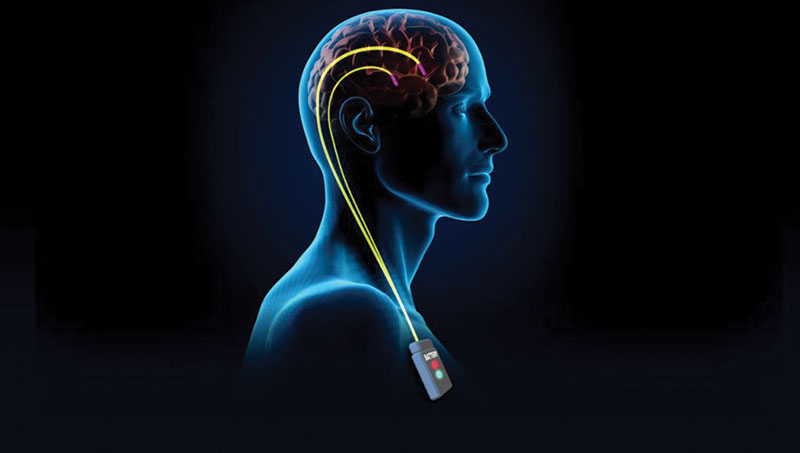
Deep Brain Stimulation Treatment in Noida
Deep Brain Stimulation
Deep Brain Stimulation (DBS) is an advanced surgical treatment used to manage certain neurological disorders. It involves implanting electrodes in specific areas of the brain and connecting them to a small device, similar to a pacemaker, placed under the skin of the chest. The device sends electrical signals to regulate abnormal brain activity and improve symptoms.
What is Deep Brain Stimulation?
Deep Brain Stimulation is a neurosurgical procedure designed to help patients with movement and neurological disorders that do not respond well to medication. By delivering controlled electrical impulses, DBS helps restore normal brain communication and reduces symptoms such as tremors, stiffness, and involuntary movements.
Conditions Treated with Deep Brain Stimulation

Parkinson’s disease
Essential tremor
Dystonia
Epilepsy
Obsessive-compulsive disorder (OCD)
Ongoing studies are exploring its use in depression and chronic pain.
How Deep Brain Stimulation Works
The procedure has three main components:
Electrodes: Implanted in targeted areas of the brain.
Extension wire: Connects electrodes to the pulse generator.
Implantable pulse generator (IPG): A device placed in the chest that delivers electrical impulses.
These impulses adjust abnormal signals in the brain, helping reduce symptoms without damaging healthy tissues.
Procedure for Deep Brain Stimulation
Pre-surgery evaluation: Includes MRI, CT scans, and neurological testing.
Electrode implantation: Surgeons use advanced imaging and guidance to place electrodes in the brain.
Device placement: The pulse generator is implanted under the skin of the chest.
Programming: Doctors adjust the device settings after surgery to meet each patient’s needs.
Benefits of Deep Brain Stimulation
Reduces tremors, rigidity, and abnormal movements
Improves quality of life in patients with neurological disorders
Adjustable and reversible, unlike some surgical treatments
Reduces dependence on high doses of medications
Risks and Complications
Infection at the surgical site
Bleeding in the brain
Device malfunction or lead displacement
Temporary mood or cognitive changes
Headache or dizziness after surgery
Recovery and Aftercare
Hospital stay usually lasts a few days
Patients can return to normal activities within weeks
Device adjustments may take multiple sessions
Regular follow-ups are required for monitoring and programming
Future of Deep Brain Stimulation
Technological advancements are improving DBS outcomes. Rechargeable devices, closed-loop systems, and wireless monitoring are shaping the future of this treatment, making it more precise and effective.

🎓 Mch Neurosurgery, MCI Neurospinal surgeon